How to prevent pipes from freezing in New Jersey winter
New Jersey winters hit hard. Learn how to prevent pipes from freezing, what to do if they do, and when to call a pro before a burst pipe floods your home.
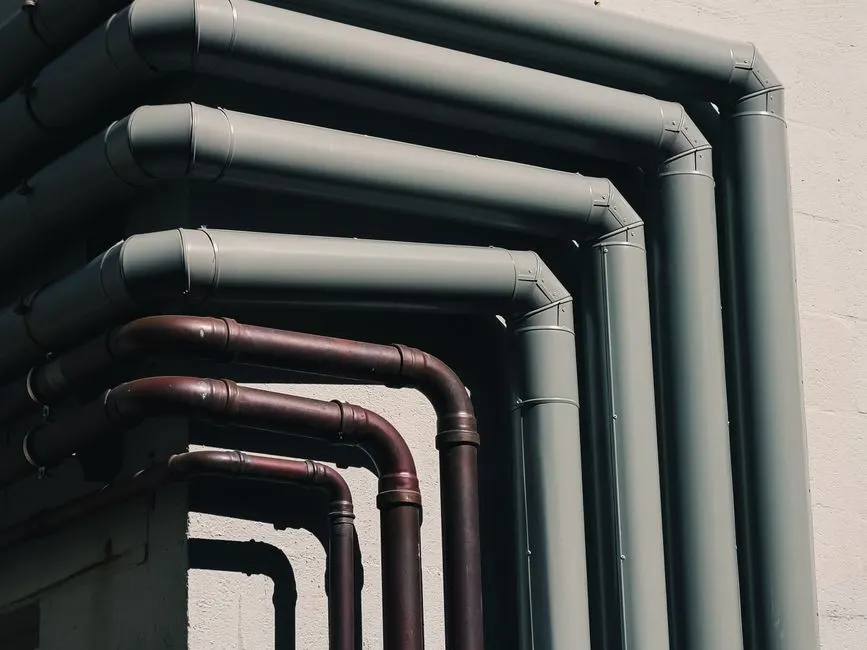
You can prevent pipes from freezing in New Jersey winter by keeping cabinet doors open under sinks, letting a pencil-thin stream of water drip from the farthest faucet, and maintaining indoor temperatures no lower than 55°F - even when you're away. The most important step is insulating any pipe that runs through an exterior wall, crawl space, attic, or unheated garage before the first hard freeze hits in late November. This guide covers the exact temperatures that put your pipes at risk, the materials that work in New Jersey's climate, and what to do if you wake up to a frozen line.
We're NJ Plumbing Pros, and we've spent years crawling through basements from Newark plumbing services to the Shore, thawing lines and replacing burst copper. The advice below is what we actually tell homeowners when we're standing in their utility room.
Why New Jersey winters are hard on your pipes
New Jersey's freeze risk comes from rapid temperature swings, not just sustained cold. A 50°F afternoon in Trenton can drop to 18°F by midnight, and that fast change catches pipes off guard. Water expands about 9% when it freezes, which is more than enough to split copper, PEX, or galvanized steel.
Homes built before 1980 - common in Paterson plumbing services and older parts of Elizabeth - often have pipes running through exterior walls with little or no insulation. Modern construction codes require more protection, but even new builds can have vulnerable runs in garages or unheated basements.
The three most vulnerable spots we see:
- Exterior wall cavities - especially under kitchen sinks and in bathrooms on north-facing walls.
- Unheated crawl spaces and attics - pipes here freeze first because they're exposed to outdoor air.
- Garages and unheated basements - supply lines to hose bibs and laundry rooms are frequent culprits.
Coastal areas like Toms River plumbing services deal with wind-driven cold that pushes freezing air through foundation vents. Inland, the concern is deeper sustained freezes that last for days.
At what temperature do pipes freeze in New Jersey?
Pipes freeze when the surrounding air stays at or below 20°F for several hours, though unprotected pipes can freeze at 32°F if they're in a windy, exposed location. The key number is 20°F - once the outdoor temperature drops that low, any pipe in an unheated space is at risk.
New Jersey's average January low ranges from 22°F in Camden to 16°F in Sussex County. That means most of the state spends at least a few nights each winter below the freeze threshold.
Wind chill matters too. A 25°F day with 20 mph winds can freeze a pipe as fast as a still 15°F day. If your pipes run along an exterior wall with a drafty sill plate, they're getting that wind exposure.
Water doesn't need to be stationary to freeze, but moving water takes longer. A slow drip can keep a line from freezing overnight, but it won't help in a prolonged deep freeze.
How to prevent pipes from freezing in New Jersey winter
Preventing frozen pipes in New Jersey winter comes down to three things: keep the heat in, keep the water moving, and know which pipes are most exposed. Here's what works.
Insulate exposed pipes
Foam pipe insulation sleeves cost about $1 to $3 per linear foot at any New Jersey hardware store. For pipes in crawl spaces or attics, use the thicker 1-inch wall sleeves. In unheated garages, wrap with heat tape first, then insulation.
Pay attention to elbows, tees, and valves - those are the spots where insulation gets skipped and freezing starts. A $20 roll of fiberglass wrap and an hour of work can save you a $1,500 repair bill.
Let faucets drip
A pencil-thin stream of water - about the width of a spaghetti strand - keeps water moving through the pipe and relieves pressure if ice does form. Let the faucet farthest from your main water shutoff drip overnight when temps drop below 20°F.
Yes, you'll waste some water. A dripping faucet uses roughly 2 to 3 gallons per day. That's a few cents compared to the cost of frozen pipe repair New Jersey homeowners pay after a burst.
Keep cabinet doors open
Open the doors under kitchen and bathroom sinks during cold snaps. This lets warm indoor air circulate around the pipes. If you have kids or pets, remove any chemicals or cleaners first.
Maintain indoor heat
Set your thermostat no lower than 55°F, even when you're away for the weekend. If you're leaving for a week or more, keep it at 55°F and have someone check the house. A $200 heating bill beats a $5,000 flood damage claim.
For homes in Jersey City plumbing services areas with older boiler systems, make sure your heat is actually reaching the pipes in unheated spaces. Sometimes a simple vent adjustment makes the difference.
Disconnect garden hoses and shut off exterior spigots
Remove hoses from outdoor spigots before the first freeze. If you have a shutoff valve for exterior lines, close it and drain the line. A frozen hose bib can crack the pipe inside the wall - and you won't know until spring.
Seal drafts and air leaks
Use spray foam or caulk to seal gaps around pipes where they enter exterior walls. Cold air blowing through a half-inch gap can freeze a pipe even when the rest of the basement is warm. Check around dryer vents, cable entries, and sill plates.
Install heat tape or pipe heating cable
Self-regulating heat tape costs $30 to $80 for a 12-foot section. It plugs in and warms the pipe only when needed. Wrap it around the pipe in a spiral pattern, then cover with insulation. This is the best way to insulate pipes in NJ crawl spaces where temperatures stay below freezing for days.
If you're not comfortable working with electrical heat tape, we install it as part of our whole house repiping New Jersey service when we're already replacing vulnerable lines.
What to do if your pipes freeze in New Jersey
If your pipes freeze in New Jersey, shut off the main water valve first, then thaw the pipe with a hair dryer, heat lamp, or wrapped towels soaked in hot water. Never use an open flame. Start thawing from the faucet end and work back toward the frozen section.
Here's the step-by-step:
- Shut off the main water valve. This limits flooding if the pipe has already cracked.
- Open the nearest faucet. This gives melting water somewhere to go and relieves pressure.
- Apply gentle heat. Use a hair dryer on low, a space heater, or hot towels. Keep heat moving.
- Work from the faucet backward. Thaw the section closest to the faucet first so water can flow out as it melts.
- Check for leaks. Once water flows, watch for drips or cracks. If you see any, shut off the water and call us.
If you can't find the frozen section or the pipe doesn't thaw within an hour, call a professional. We handle Emergency Plumbing in New Jersey and can usually be on-site the same day.
Common mistakes that lead to burst pipes
The most common mistake is waiting until the first freeze to think about pipe protection. By then, hardware stores are sold out of heat tape and insulation sleeves.
Other mistakes we see every winter:
- Using a torch or open flame to thaw pipes. This is how house fires start. Use a hair dryer or heat gun on low.
- Leaving the thermostat too low while away. 50°F feels safe, but a cold snap can drop your basement to 28°F overnight.
- Forgetting about exterior spigots. A frozen hose bib can crack the pipe inside the wall.
- Insulating only the straight runs. Elbows, tees, and valves freeze first.
- Not sealing air leaks. A half-inch gap around a pipe entry point lets in enough cold air to freeze the line.
One more: don't assume PEX is immune. PEX expands better than copper, but it still splits under enough pressure. We've replaced plenty of PEX lines that froze in unheated garages.
When to call a professional
Call a professional if you can't find the frozen section, if the pipe has already burst, or if you've tried thawing for more than an hour without success. We handle frozen pipe repair every winter across New Jersey, from Cherry Hill plumbing services to the northern counties.
We also install heat tape, insulate crawl space pipes, and replace vulnerable sections with freeze-resistant materials. If you're not sure whether your pipes are at risk, we can inspect your basement, attic, and exterior walls and tell you exactly what needs attention.
Our team carries the tools to thaw lines safely and the parts to repair any damage we find. We'll tell you the price before we start - no surprises.
Frequently Asked Questions
At what temperature do pipes freeze in New Jersey?
Pipes freeze when the surrounding air stays at or below 20°F for several hours. In New Jersey, January lows average 16°F to 22°F, so most of the state sees freeze risk every winter. Windy, exposed pipes can freeze at 32°F.
How do I keep my pipes from freezing in NJ?
Insulate exposed pipes, let faucets drip overnight, keep cabinet doors open, and maintain indoor heat at 55°F or higher. Disconnect garden hoses and seal drafts around pipe entry points. Heat tape costs $30 to $80 and works well in crawl spaces.
What should I do if my pipes freeze in New Jersey?
Shut off the main water valve, open the nearest faucet, and apply gentle heat with a hair dryer or hot towels. Work from the faucet backward. If the pipe doesn't thaw within an hour or you see a leak, call a professional.
Does homeowners insurance cover frozen pipes in NJ?
Most New Jersey homeowners policies cover burst pipe damage if you took reasonable care to prevent freezing - like maintaining heat. They typically don't cover damage from neglect, such as leaving a vacation home unheated. Check your policy for specifics.
How much does it cost to fix frozen pipes in New Jersey?
Thawing a frozen pipe typically costs $150 to $400 in 2026. If the pipe burst, repair runs $500 to $1,500 depending on access and damage. Emergency calls after hours may add $100 to $200. Prevention costs far less.
Get help with Plumbing in New Jersey
If you're dealing with a frozen pipe or want to prevent one before the next cold snap, call NJ Plumbing Pros at (201) 555-0123. We serve homeowners across New Jersey with same-day emergency service and upfront pricing.