Water bill spiked with no visible leak
We pressure-test the supply system, isolate the leaking section with acoustic and thermal equipment, and repair the failed pipe. Most hidden supply leaks are found and fixed in a single visit.
Leak Detection & Repair in New Jersey means finding water where it should not be, fixing the pipe or fixture that failed, and proving the repair holds. We handle hidden water leak repair across the state, from slab leaks under a Trenton rancher to a burst pipe behind a Hoboken kitchen wall. You get same-day service, upfront pricing, and a dry floor when we are done.
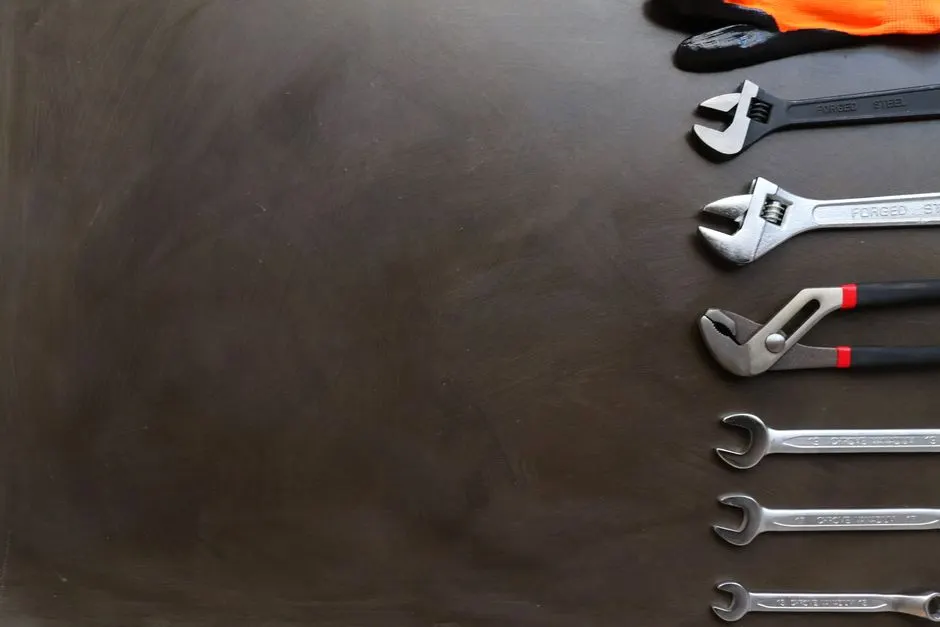
Leak Detection & Repair in New Jersey is the process of locating water escaping from a supply line, drain line, fixture, or slab, then repairing it so the system holds pressure and stays dry. We start with the symptom you noticed, not guesswork. A climbing water bill, a warm spot on the floor, a musty smell in the basement, or a meter that never stops spinning all point to a leak somewhere in the system. Our technicians use acoustic listening equipment, thermal imaging, and pressure testing to pinpoint the exact spot before we cut anything open.
New Jersey homes give leaks plenty of places to hide. Copper pipe from the 1960s and 1970s thins out and pinholes. Galvanized steel from earlier decades rusts from the inside. PEX tubing and CPVC pipe fail at poorly made fittings. Add freeze-thaw cycles that crack supply lines in January and tree roots that crush sewer laterals in spring, and you get the two calls we run most: hidden water leak repair and underground leak detection. If you are wondering how to find a water leak in your house in New Jersey, the answer is equipment and experience, not a flashlight and a hunch.
Every leak detection call includes a full system inspection, electronic leak location, and a written report with photos. If you approve the repair, we handle the fix, the pressure test, and the cleanup on the same visit. Here is what is covered.
We isolate the supply system, pressurize it to 80 to 100 PSI, and watch the gauge for 15 minutes. If pressure drops, we know there is a leak. If it holds, we move to the drain side and test there. This step tells us which side of the system is failing.
We use acoustic listening equipment, thermal imaging, and tracer gas to pinpoint the leak. For slab leaks, we compare floor temperatures to find the warm spot. For underground leaks, we use line location tools to map the pipe before we dig.
We repair with copper pipe, PEX tubing, PVC pipe, or CPVC pipe depending on the application. Joints are soldered or pressed to code. We use brass fittings, Teflon tape, and pipe insulation where needed. Every repair meets current New Jersey plumbing code.
After the repair, we pressure-test the line again at the same 80 to 100 PSI and watch the gauge for another 15 minutes. If it holds, the repair is done. If it drops, we keep working until it holds. We do not leave a job with a line that is still losing pressure.
You get photos of the leak before, during, and after the repair, plus a written summary of what we found and what we fixed. If you are filing an insurance claim, this report gives your adjuster everything they need to process it.
We clean the work area, haul out debris, and leave the space ready to use. If we opened drywall or concrete, we tell you what needs patching and what to watch for over the next week. No mess left behind, no follow-up call needed.
We ask what you noticed and when. A warm floor spot points to a slab leak. A spike in the water bill with no visible water points to a hidden supply leak. A musty smell near a wall points to a drain leak. That two-minute conversation tells us which equipment to load on the truck before we leave the shop.
A licensed technician walks the property, checks the water meter, and tests every fixture. We look at the water heater, the sump pump, the shutoff valves, and the visible pipe runs. On most calls, this step takes 20 to 30 minutes and narrows the leak to one of three zones: supply, drain, or slab.
We use acoustic listening discs, thermal imaging cameras, and pressure gauges to pinpoint the leak. For underground lines, we use tracer gas and line location equipment. For slab leaks, we compare temperature differentials across the floor. This step takes 30 to 60 minutes and tells us exactly where to cut.
We open the smallest access point possible, repair the failed section with copper pipe or PEX tubing and brass fittings, and solder or press the joint. Then we pressure-test the line at 80 to 100 PSI and watch the gauge for 15 minutes. If it holds, the repair is done.
We clean the work area, haul out debris, and walk you through what we found and what we fixed. You get photos of the repair and a written summary. If the leak caused water damage, we tell you what to dry out and what to watch for over the next week.
Purpose-built equipment, used by trained technicians — so the job is done accurately the first time.
Amplifies the sound of water escaping under pressure so we can pinpoint the leak through walls, floors, and concrete. Works best on supply lines at 40 to 80 PSI.
Detects temperature differences caused by hot water leaks under slabs or behind walls. A hot water slab leak shows up as a warm band on the floor within minutes.
Inspects the inside of drain and sewer lines for cracks, root intrusion, and collapsed sections. We record the footage and show it to you before recommending a repair.
Clears grease, roots, and scale from drain lines at 3,000 to 4,000 PSI. We use it when the camera shows a blockage rather than a structural break.
Isolate the supply system and hold it at 80 to 100 PSI to confirm whether a leak exists and whether the repair holds. We test before and after every repair.
Cut and solder copper pipe for supply line repairs. We also carry press tools for PEX tubing and CPVC pipe when soldering is not the right call.
Injects a safe gas mixture into underground lines and traces it to the surface to find leaks in buried pipes without digging up the whole yard.
A homeowner in Elizabeth noticed a warm spot on the kitchen tile and a water bill that jumped $90 in one month. The slab was dry on the surface, but thermal imaging showed a hot water line leaking under the concrete.
We opened a 2-foot section of slab, repaired the copper pipe, and pressure-tested the line at 100 PSI for 15 minutes. The repair held. The water bill dropped back to normal the next cycle, and the homeowner avoided a $4,000 foundation repair.
A pipe in a Brick home's garage wall froze and split during a January cold snap. Water was running down the wall and pooling on the garage floor. The homeowner shut off the main and called us at 6 a.m.
We cut out the split section, soldered in new copper pipe, and insulated the repaired line. The whole job took under two hours. We pressure-tested the line and checked the rest of the garage piping for freeze risk before we left.
A Tinton Falls homeowner had slow drains throughout the house and a musty smell in the basement. A sewer camera showed tree roots growing into a cracked section of cast iron pipe under the slab.
We cleared the roots with a hydro jetting machine, then replaced the cracked section with new PVC pipe. The camera showed a clean line after the repair. Drains flowed normally and the musty smell cleared within a week.
Most leaks fall into one of a few categories, and each one has a different fix. Knowing the signs of a hidden water leak in New Jersey helps you call us before the damage spreads. Here are the problems we run into most.
Ask a pro →We pressure-test the supply system, isolate the leaking section with acoustic and thermal equipment, and repair the failed pipe. Most hidden supply leaks are found and fixed in a single visit.
We use thermal imaging to map the leak under the slab, open only the section we need, and repair the copper pipe or PEX tubing. Most slab repairs are done in one day with minimal concrete removal.
We run a sewer camera and pressure-test the drain side to find the leak, repair the cracked PVC pipe or cast iron section, and dry out the area. We document the repair for your insurance claim if needed.
We run a sewer camera through the lateral to find the blockage or break, then clear it with a hydro jetting machine or repair the damaged section. You get the footage and a straight answer on repair versus replacement.
$180 - $3,500 depending on leak location and repair scope
Typical 2026 pricing in New Jersey runs $180 to $450 for the detection visit and $150 to $3,500 for the repair, depending on what we find and how hard it is to reach. We give you a flat price before we start work. No hourly meter, no surprise line items. If the job turns out to be simpler than expected, the price drops. If it is more complex, we stop and talk to you before we proceed.
The detection visit is the cheapest part of the job. Finding the leak before you open a wall or break up a slab saves hundreds in unnecessary demolition. We charge for detection once, and we credit it toward the repair if you hire us for the fix.
A supply line leak in an accessible basement wall is a quick fix. A slab leak under 4 inches of concrete takes longer and costs more. The deeper and less accessible the leak, the higher the repair cost.
Copper pipe repairs cost more than PEX tubing because the material is more expensive and the soldering takes longer. Cast iron drain repairs cost more than PVC pipe because the pipe is heavier and harder to cut.
If we can reach the leak through an existing access panel, the cost stays low. If we need to open drywall, cut concrete, or dig up a yard, the cost goes up. We always open the smallest section possible.
A single pinhole leak in a copper line is a repair. Three or more leaks in the same system usually means the pipe is failing and repiping is the better long-term call. We give you both prices and let you decide.
“Our water bill jumped $80 in one month and we could not find anything wet. NJ Plumbing Pros came out, used a thermal camera, and found a slab leak under the kitchen in about 40 minutes. They opened a small section, repaired the copper pipe, and pressure-tested it. Bill went back to normal the next cycle.”
Maria G.Homeowner, Elizabeth
✓ Verified“Burst pipe in the garage wall at 6 a.m. on a Sunday. I called and a technician was here by 8:30. He cut out the split section, soldered in new copper, and insulated it so it would not freeze again. Fair price, no emergency upcharge, and he cleaned up everything before he left.”
Dave R.Homeowner, Brick
✓ Verified“We had a musty smell in the basement for weeks and could not figure out why. The technician ran a sewer camera and found a cracked cast iron drain line under the slab. He showed us the footage, explained the repair, and had it fixed in two days. No mold, no guesswork.”
Priya S.Homeowner, Tinton Falls
✓ VerifiedMost leak detection calls in New Jersey run $180 to $450 for the detection visit, and the repair is priced separately based on what we find. A simple supply line repair might add $150 to $350. A slab leak repair can run $1,200 to $3,500 depending on depth and access. We give you the full price before we start work.
The most common signs of a slab leak in NJ are a warm spot on the floor, the sound of running water when nothing is on, a water bill that jumps 20 to 40 percent, cracks in the floor or baseboard, and a musty smell near the slab. If you notice two or more of these, call us before the leak undermines the slab.
Most New Jersey homeowners policies cover the water damage a sudden leak causes, but not the pipe repair itself. A burst pipe that soaks your ceiling is usually covered. A slow slab leak that has been seeping for months often is not. We document the leak with photos and a written report you can send to your adjuster.
We use acoustic listening equipment to hear water escaping under pressure, thermal imaging to spot temperature differences in walls and floors, and pressure gauges to isolate which section of the system is losing water. For underground leaks, we use tracer gas and line location tools. Most hidden leaks are pinpointed within 30 to 60 minutes.
We run leak detection and repair calls across New Jersey, from the older cities with galvanized steel and cast iron pipe to the newer suburbs with PEX tubing and CPVC pipe. Whether you need water leak repair New Jersey homeowners trust or a same-day emergency response, we have a licensed technician in your area. Here are some of the cities we serve.
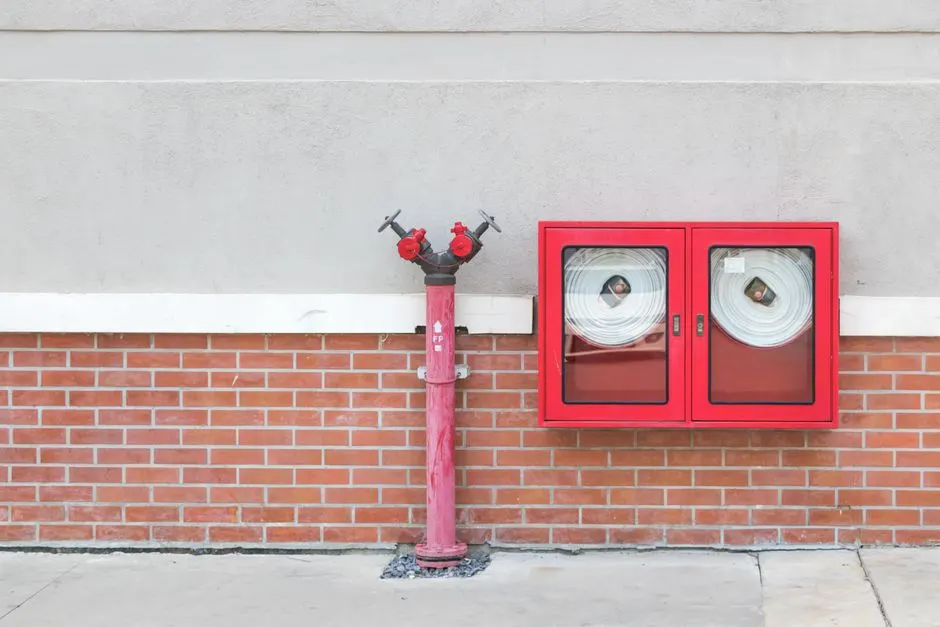 Emergency PlumbingWhen a leak turns into active flooding, you need emergency plumbing fast. We dispatch 24/7 for burst pipes, failed supply lines, and water heater leaks. Same technicians, same trucks, same upfront pricing, just on a faster clock.Explore →
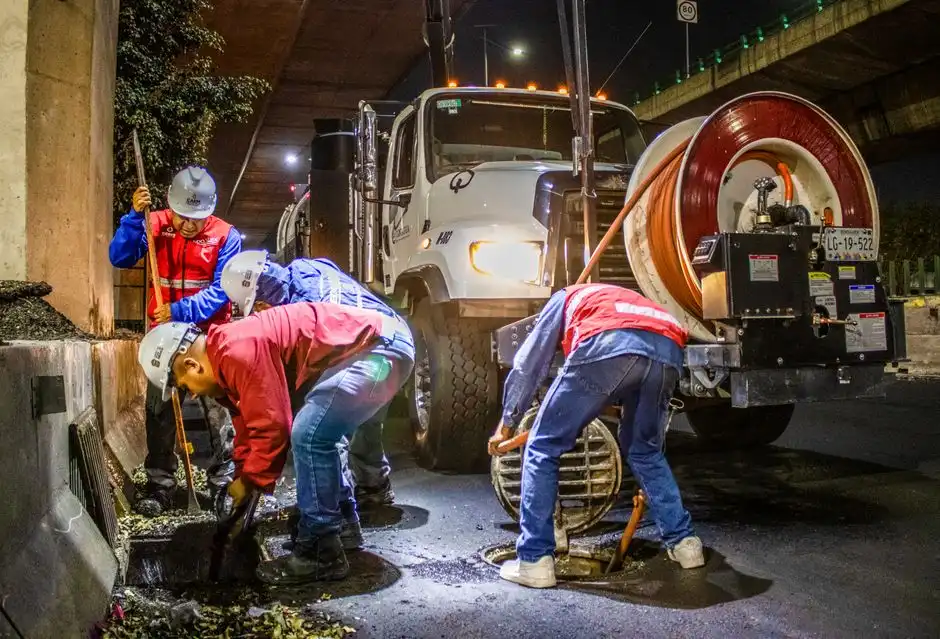 Drain CleaningA slow drain often means a partial blockage, not a leak, but the two get confused. We run a sewer camera to tell the difference. If it is a clog, we clear it with a drain snake or hydro jetting machine. If it is a leak, we repair it.Explore →
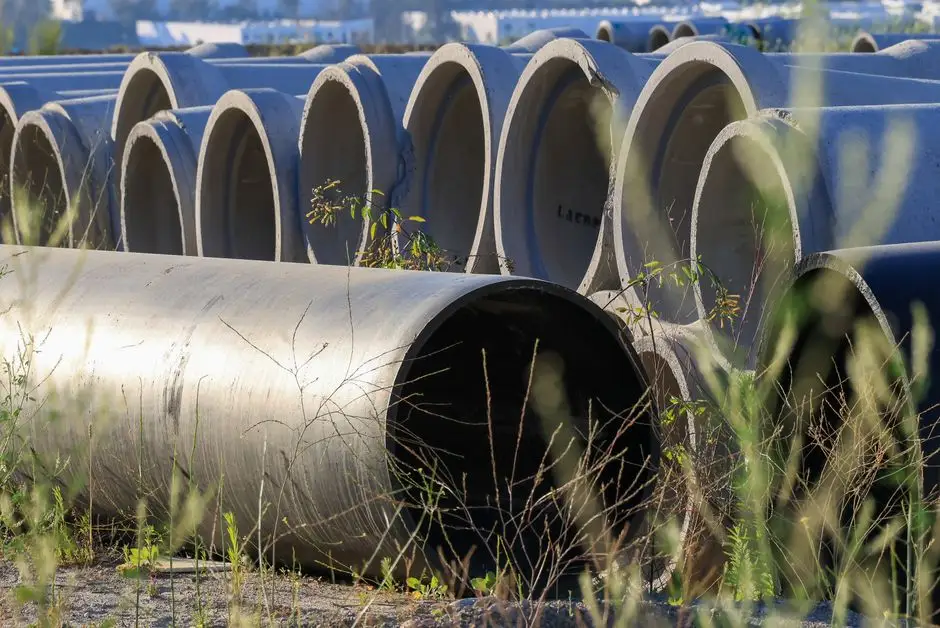 Sewer Line Repair & ReplacementSewer line root intrusion and cracked cast iron pipe are common leak sources we find during detection. If the camera shows damage, we can repair or replace the lateral. We handle permits, excavation, and restoration as part of the job.Explore →
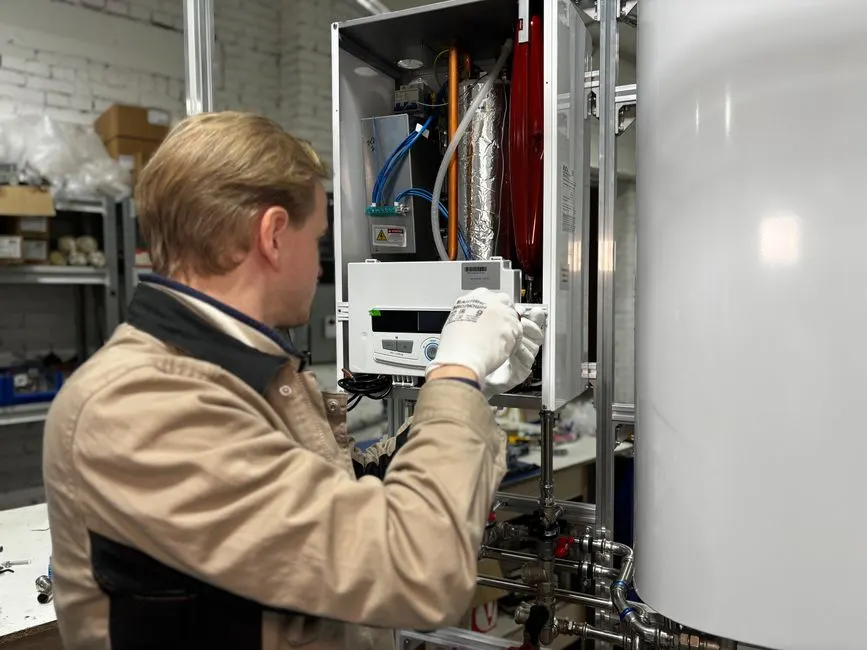 Water Heater Repair & ReplacementA leaking water heater is one of the most common calls we run. We repair Rheem, Navien, Rinnai, Bradford White, and A.O. Smith units, and we replace them when the tank is compromised. Same-day service on most replacements.Explore →
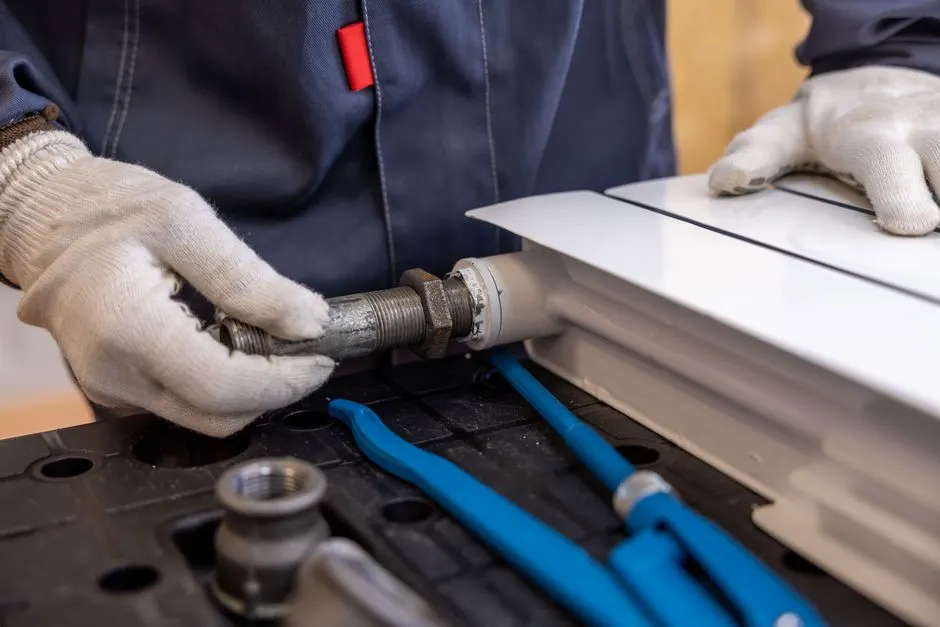 Burst Pipe RepairFrozen pipe that splits in January is a burst pipe emergency. We shut off the water, repair the split section with copper pipe or PEX tubing, and pressure-test the line. We also insulate the repaired section so it does not freeze again next winter.Explore →
 RepipingWhen we find three or more leaks in the same system, repiping is often cheaper than chasing repairs. We replace galvanized steel or failing copper with PEX tubing or new copper pipe. Most whole-house repipes take two to four days.Explore →
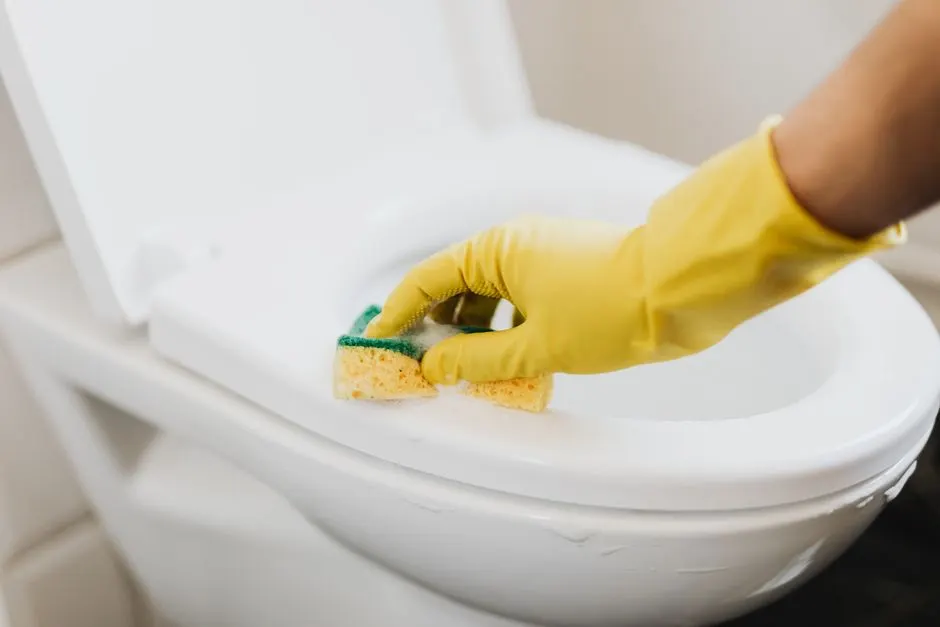 Toilet Repair & InstallationA running toilet can waste 200 gallons a day and mimic a leak on your water bill. We repair fill valves, flappers, and supply lines, and we install new toilets when the fixture is past saving. Most repairs take under an hour.Explore →
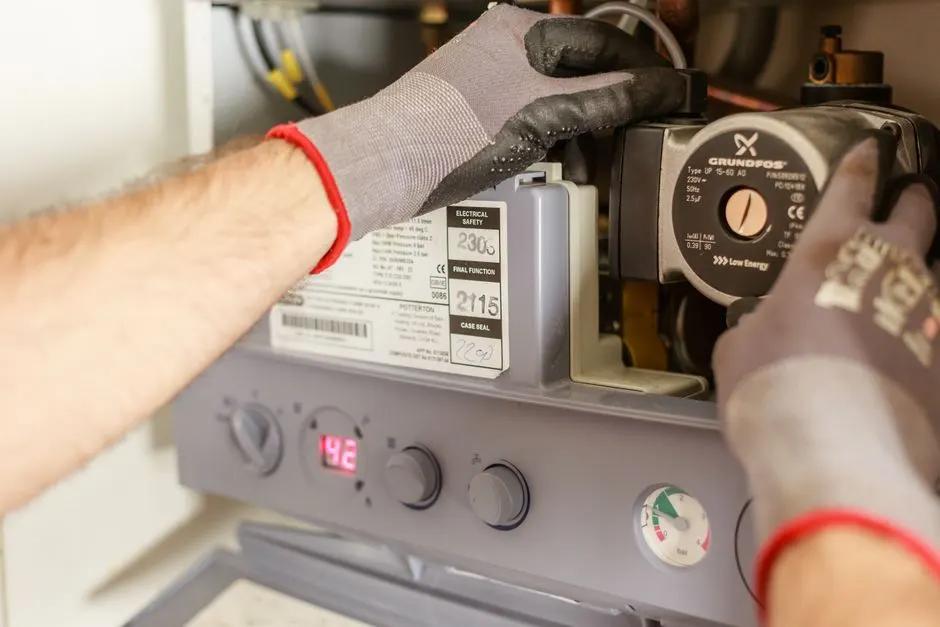 Sump Pump Repair & InstallationA failed sump pump leaves your basement vulnerable to groundwater. We repair and install Zoeller and Liberty Pumps units, test float switches, and check discharge lines for freeze risk. If your pump is more than 10 years old, we will tell you straight.Explore →
Water is not going to stop on its own. Call NJ Plumbing Pros at (201) 555-0123 and we will send a licensed technician to find the leak, fix it, and test the line before we leave. Same-day service, upfront pricing, written warranty on every repair.
Call Now (201) 555-0123 →Reach us any hour at (201) 555-0123. A live dispatcher answers 24/7, takes your address, and gets the right truck moving. For non-emergency work, email [email protected] and we will schedule a same-day or next-day visit anywhere in New Jersey.