Frozen pipe that splits overnight
We thaw the line safely, cut out the split section, and repair it with new pipe. Then we insulate the run and show you where cold air is getting in so it does not happen again next winter.
Burst Pipe Repair in New Jersey means stopping the water, saving your floors, and restoring pressure fast. We handle emergency burst pipe repair NJ homeowners call about at 2 a.m. and the planned pipe repair New Jersey properties need after decades of wear. Our licensed plumbers cover the whole state, from Clifton to Cherry Hill, with same-day service and upfront pricing.
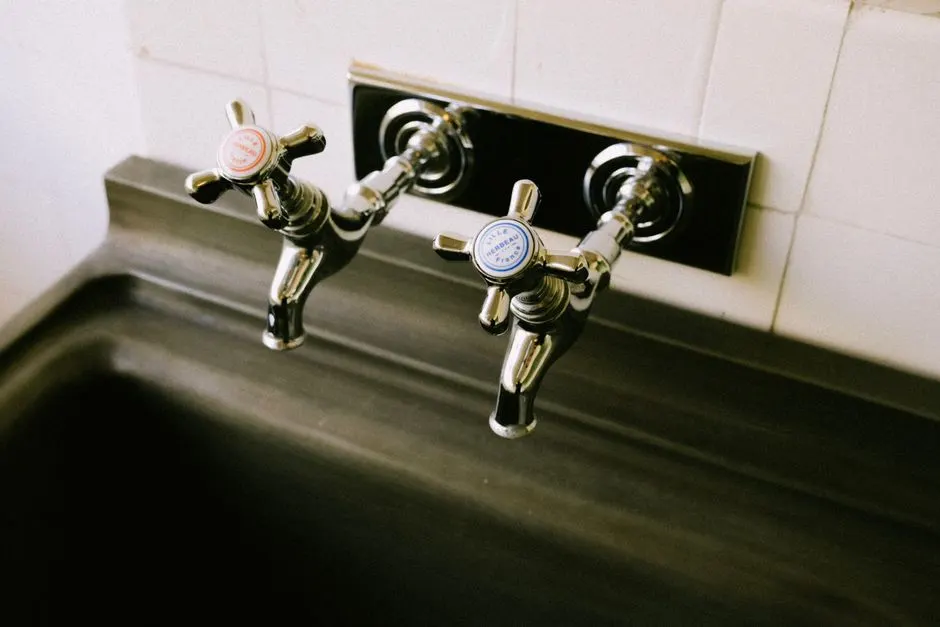
Burst Pipe Repair in New Jersey is the emergency and scheduled work of locating a failed pipe, stopping the water, and restoring the line so your home or business has safe, full-pressure water again. A burst pipe is not a slow drip you can put a bucket under. It is a split copper pipe, a cracked PEX tubing run, or a failed joint that dumps hundreds of gallons before you find the shutoff. We cut out the damaged section, repair or replace it with code-correct materials, and pressure-test the line before we leave.
New Jersey homes face a specific mix of pipe problems. Older cities like Clifton and West New York still have cast iron pipe and galvanized steel that corrodes from the inside. Newer suburbs run PEX tubing and CPVC pipe that can fail at fittings. Then January hits, temperatures drop into the teens, and frozen pipe repair New Jersey calls spike across the state. If you need to know how to fix a burst pipe in NJ, the first step is always the same: shut the main, then call a licensed plumber.
Every burst pipe repair job includes the core work needed to stop the leak and restore your water. If the damage requires additional work like repiping or water damage restoration, we tell you upfront and quote it separately before we proceed.
We locate and shut off your main water valve if you have not already done it, then drain the line to relieve pressure. This stops the flooding and protects your floors, walls, and belongings from further damage.
We use leak detection equipment and, when needed, a sewer camera to find the exact failure point. You get a clear explanation of what failed and why, whether it was freezing, corrosion, high pressure, or a bad fitting.
We cut out the damaged section with a pipe cutter and install new pipe using the correct material for your line. Copper pipe gets soldered joints. PEX tubing and CPVC pipe get press fittings. Brass fittings and Teflon tape are used where appropriate.
After the repair, we restore water and pressure-test the line to confirm there are no leaks. We check every joint we made and inspect nearby pipe for signs of stress or corrosion that could cause the next failure.
We clean the work area and provide photos and notes documenting the cause and repair. If you are filing an insurance claim, this documentation gives your adjuster what they need to process it quickly.
We tell you what caused the burst and how to prevent the next one. That might mean adding pipe insulation, adjusting your water pressure, or scheduling a repipe for a line that has failed more than once.
You call (201) 555-0123 and reach a live person, not a voicemail. We ask where the water is coming from, whether you have found the main shutoff, and your address. If you have not shut the water off yet, we walk you through it while a truck is dispatched.
A licensed plumber arrives, confirms the water is off, and inspects the damage. We use leak detection equipment and a sewer camera when needed to find the exact failure point. You get a written scope and a flat price before any repair starts.
We isolate the burst section and stop any remaining flow. If water has pooled near electrical panels or in ceilings, we flag it immediately. We do not leave until the active leak is contained and the area is safe to work in.
We cut out the failed section with a pipe cutter and install new pipe using a soldering torch for copper or a press tool for PEX and CPVC. Brass fittings, Teflon tape, and flux are matched to the existing line. Most single-section repairs take two to four hours.
We restore water, bleed the lines, and pressure-test the repair to confirm zero leaks. Then we clean the work area and walk you through what we did. If the pipe failed from freezing, we show you the insulation gaps that caused it.
Purpose-built equipment, used by trained technicians — so the job is done accurately the first time.
Used to grip and turn pipe fittings and unions during repair. Essential for breaking loose corroded connections without damaging the surrounding pipe.
Cuts copper pipe and PEX tubing cleanly so the new section fits tight. A clean cut is the difference between a repair that holds and one that leaks.
Used to sweat copper pipe joints. We apply solder and flux to create a permanent, code-compliant seal that holds under full pressure.
Crimps press fittings onto PEX tubing and CPVC pipe without a torch. Faster and safer in tight spaces where open flame is not an option.
Acoustic and thermal tools that find hidden leaks behind walls, under slabs, and in crawl spaces without tearing up your home.
A camera on a flexible reel that lets us see inside drain and sewer lines to confirm the break location and check for root intrusion or collapse.
A homeowner in Cherry Hill woke up to water spraying from a split copper pipe in the crawl space. The line had frozen overnight and split at a joint. The crawl space was flooded and the water was heading toward the furnace.
We shut off the main, cut out the split section, and soldered in a new length of copper pipe. The repair took three hours. We pressure-tested the line, insulated the full run, and the homeowner had water back the same day.
A Clifton landlord had three pinhole leaks in six months on the same galvanized supply line. The pipe was corroded from the inside and the water pressure had dropped noticeably on the second floor.
We replaced the full run with PEX tubing in one day. Water pressure restored to 65 psi on both floors. No leaks in the six months since the repipe.
A Short Hills homeowner noticed a warm spot on the kitchen floor and a water bill that jumped by $180 in one month. A slab leak was feeding water under the tile and into the baseboard.
We used leak detection equipment to pinpoint the leak within 12 inches. We rerouted the line overhead through the ceiling rather than breaking up the slab. The repair took two days and the floor stayed intact.
A burst pipe is rarely just a burst pipe. Here are the most common problems we see and how we fix them.
Ask a pro →We thaw the line safely, cut out the split section, and repair it with new pipe. Then we insulate the run and show you where cold air is getting in so it does not happen again next winter.
We assess the full line with a camera and leak detection equipment. If one section is bad, we repair it. If the whole run is failing, we quote a repipe with copper pipe or PEX tubing so you stop chasing leaks.
We test your incoming pressure and install a pressure-reducing valve if it is too high. We also check the expansion tank and shutoff valves while we are on site.
We use leak detection equipment to pinpoint the leak without breaking up the whole floor. Then we repair the line or reroute it overhead, depending on the condition of the pipe.
$350 - $1,800 depending on scope
Burst pipe repair pricing in New Jersey depends on where the pipe is, what it is made of, and how fast you need it fixed. Typical 2026 pricing runs $350 to $1,800 for most residential repairs. A simple accessible copper repair averages $350 to $650. A repair inside a wall or under a slab runs $900 to $1,800 or more. Emergency after-hours calls add a dispatch fee. We quote the full price before we start, and the number does not change unless you add work.
The cost of a burst pipe repair is almost always less than the cost of water damage. A $600 repair today prevents a $6,000 restoration bill tomorrow. We quote upfront, we do not upsell, and we warranty our workmanship.
An exposed pipe in a basement is the cheapest repair. A pipe inside a finished wall, under a slab, or in a crawl space requires more labor and sometimes drywall or concrete work. Location is the single biggest cost driver.
Copper pipe repairs cost more in materials than PEX tubing or CPVC pipe. Cast iron pipe repairs require special tools and often a larger section replacement. We match the repair to your existing material.
Emergency calls after 10 p.m. or on holidays carry a dispatch fee. If the leak is contained and you can wait until morning, a scheduled repair costs less. We tell you both prices when you call.
A single split section is a quick repair. A burst that damaged multiple lines or a water heater connection takes longer. We assess the full run and quote the complete job, not just the visible leak.
“Pipe burst in my basement at 11 p.m. on a Sunday in January. Called these guys and a plumber was at my door in about an hour. He shut the water off, cut out the split section of copper, and had it soldered and pressure-tested by 1 a.m. Price was exactly what he quoted on the phone. No drama.”
Dave R.Homeowner, Clifton
✓ Verified“We had a slab leak that turned into a burst pipe under the kitchen floor. They used leak detection equipment to find it without tearing up the whole floor, then repaired the line and replaced the section that was corroded. Clean work, fair price, and they documented everything for our insurance claim.”
Maria S.Homeowner, Cherry Hill
✓ Verified“I manage six rental units near the shore and have used these guys three times for burst pipe repair. They know the older buildings out here and always show up when they say they will. The last job was a frozen pipe in an unheated crawl space. They fixed it, insulated the line, and I have not had a problem since.”
James T.Property Manager, Long Branch
✓ VerifiedShut off your main water valve immediately, then call a licensed plumber. The shutoff is usually in the basement, crawl space, or near the water meter. Once water is off, open a low faucet to drain remaining pressure. Do not touch electrical outlets near standing water. Call us at (201) 555-0123 and we will dispatch a plumber and walk you through the next steps.
Typical 2026 burst pipe repair in New Jersey runs $350 to $1,800. A simple accessible copper repair averages $350 to $650. Repairs inside a wall or slab, or jobs requiring a full section replacement, run $900 to $1,800 or more. Emergency after-hours calls add a dispatch fee. We quote the full price before we start.
Most New Jersey homeowners policies cover sudden and accidental burst pipe damage, including water damage to floors, walls, and ceilings. They usually do not cover the pipe repair itself or damage from long-term neglect. We document the cause and provide photos so your claim is straightforward. Check your policy for your specific deductible and coverage limits.
Insulate exposed pipes in basements, crawl spaces, and garages with pipe insulation. Keep cabinet doors open under sinks on exterior walls during cold snaps. Let a pencil-thin stream drip from the faucet farthest from your main. Disconnect garden hoses and shut off exterior spigots before the first freeze. If you leave for vacation, keep your heat at 55 degrees or higher.
We provide burst pipe repair across New Jersey, from the densely built cities in the north to the shore towns and suburbs in the south. Our licensed plumbers carry the tools and materials to handle copper pipe, PEX tubing, and cast iron pipe repairs on the first visit. Whether you need emergency burst pipe repair NJ homeowners call about at midnight or a scheduled repair after a slow leak, we cover your town.
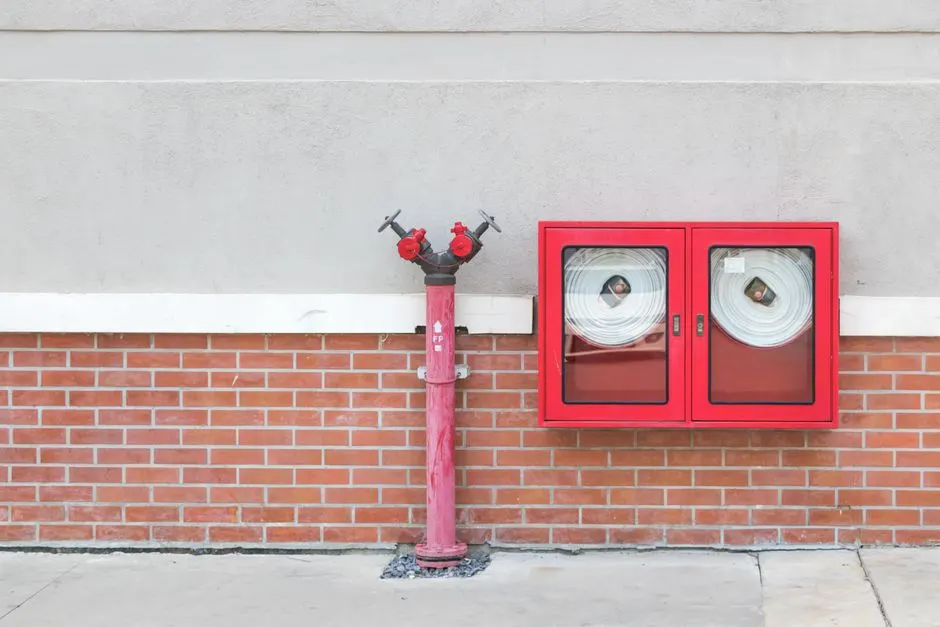 Emergency PlumbingA burst pipe is an emergency, and our emergency plumbing team handles the same 24/7 dispatch. If your burst pipe is part of a larger failure like a backed-up main or a failed sump pump, we address both in one visit.Explore →
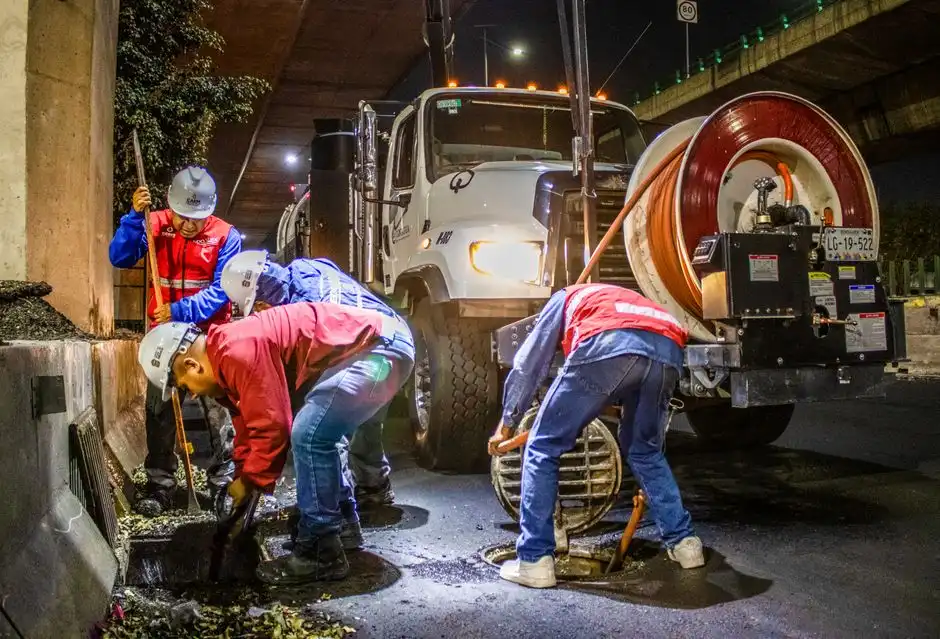 Drain CleaningA burst pipe and a clogged drain often share a cause: pressure buildup in a failing line. We use a drain snake and hydro jetting machine to clear blockages that stress your pipes and contribute to failures over time.Explore →
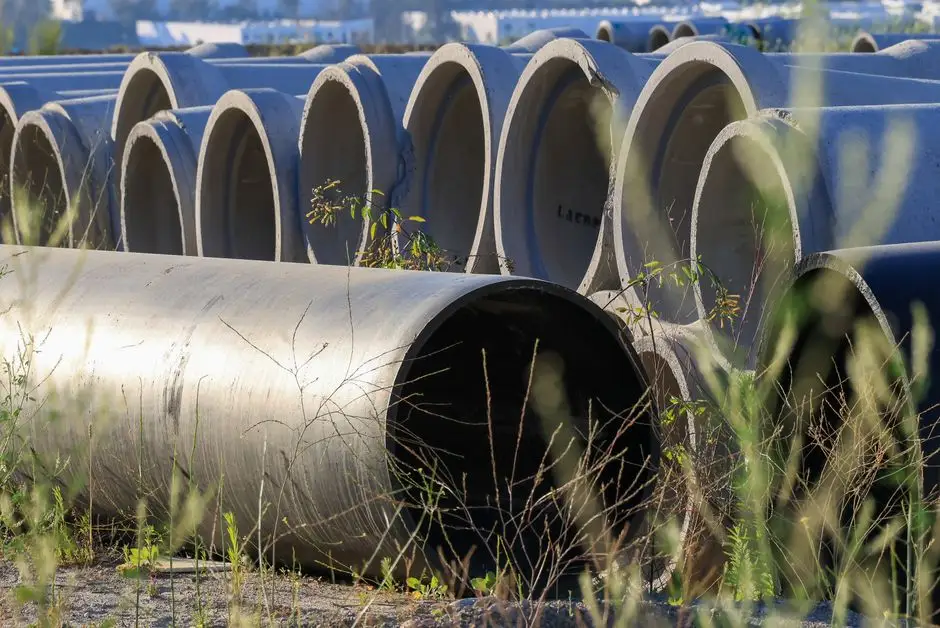 Sewer Line Repair & ReplacementIf your burst pipe is on the main sewer line, the repair is more involved than a supply-line fix. We use a sewer camera to locate the break and handle sewer line root intrusion, collapsed sections, and full replacements.Explore →
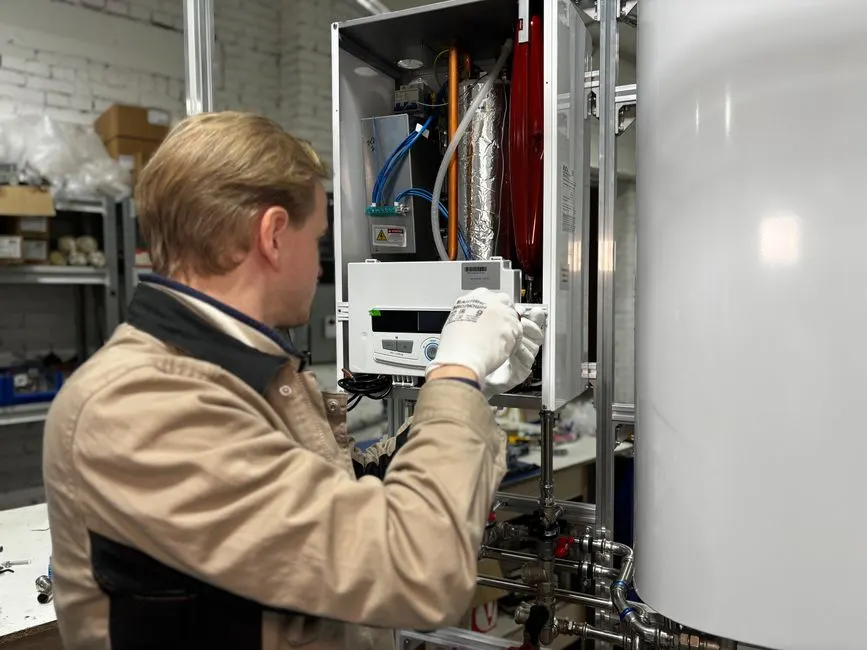 Water Heater Repair & ReplacementA burst pipe near your water heater can mean the tank itself failed. We service and replace Rheem, Navien, Rinnai, Bradford White, and A.O. Smith units, and we check the supply lines while we are there.Explore →
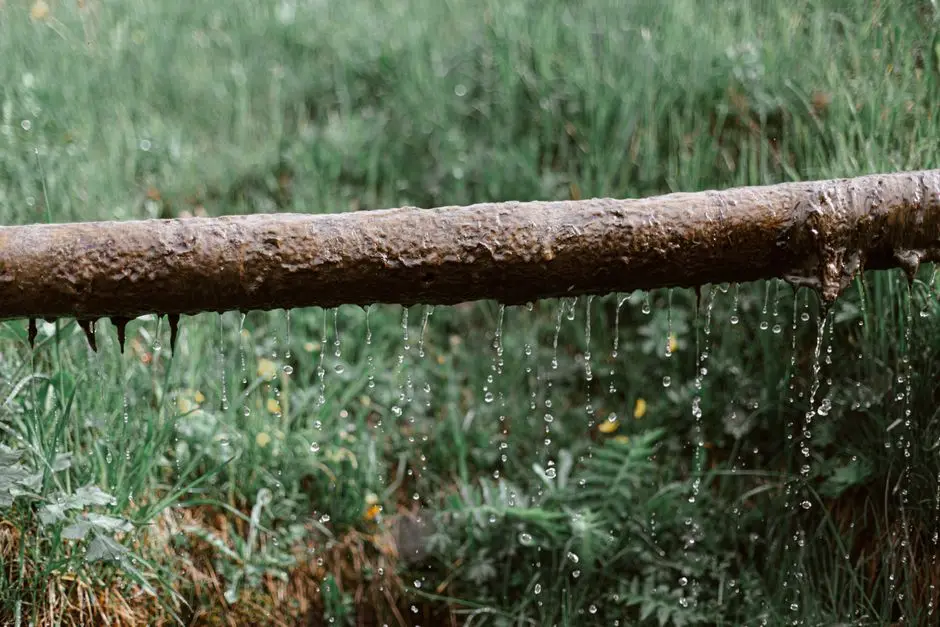 Leak Detection & RepairNot every leak is visible. If you suspect a slab leak or hidden pipe failure, our leak detection equipment finds it without tearing up your floors. We pinpoint the leak, then repair the pipe with minimal disruption.Explore →
 RepipingIf your home has had two or more burst pipes in the same line, repiping is often cheaper than repeated repairs. We replace failing galvanized or cast iron pipe with copper pipe or PEX tubing, usually in three to five days.Explore →
 Toilet Repair & InstallationA running toilet or leaking faucet wastes water and stresses your supply lines. We repair and install Moen, Kohler, and Delta fixtures and check the shutoff valves and supply lines while we are on site.Explore →
 Sump Pump Repair & InstallationA burst pipe that floods your basement is worse when your sump pump fails at the same time. We install and repair Zoeller and Liberty Pumps units so your basement stays dry during the next storm.Explore →
Water is running and every minute counts. Call (201) 555-0123 and we will dispatch a licensed plumber to your address. Same-day service, upfront pricing, and repairs warrantied in writing.
Call Now (201) 555-0123 →Reach us any hour at (201) 555-0123. A live dispatcher answers 24/7, takes your address, and gets the right truck moving. For non-emergency work, email [email protected] and we will schedule a same-day or next-day visit anywhere in New Jersey.