How to Unclog a Kitchen Sink Drain Without Chemicals
Skip the harsh chemicals. Learn how to unclog a kitchen sink drain without chemicals using boiling water, baking soda, and a plunger. New Jersey homeowners save time and money.
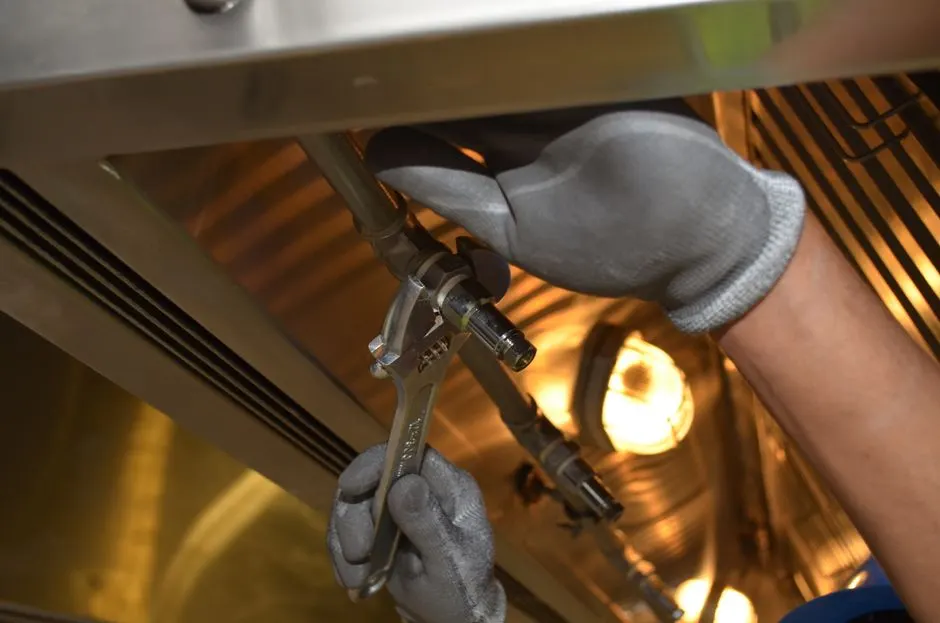
You can unclog a kitchen sink drain without chemicals by first pouring a pot of boiling water down the drain, then using a plunger or a baking soda and vinegar mixture to break up the blockage. If that fails, remove the P-trap and clear the debris by hand. These methods work on the most common kitchen clogs - grease, food particles, and soap scum - and they won't damage your pipes or pollute the water supply. This guide walks you through each step, explains why chemical cleaners cause more harm than good, and tells you when it's time to call a licensed plumber in New Jersey.
Why Chemical Drain Cleaners Are a Bad Idea
Chemical drain cleaners are a bad idea because they can corrode pipes, damage septic systems, and create dangerous fumes - especially in older New Jersey homes with aging plumbing. Most store-bought cleaners rely on sodium hydroxide (lye) or sulfuric acid. These substances generate heat as they dissolve clogs, and that heat can soften PVC joints or crack cast-iron pipes that are already brittle. In a state where many homes were built before 1970, that risk is real.
There's also the safety factor. If a chemical cleaner sits in a drain and doesn't clear the clog, it remains a caustic pool waiting to splash back when you plunge or snake the line. Every year, thousands of homeowners end up in the emergency room with chemical burns from drain cleaners. And if you have a septic system - common in parts of Hunterdon, Sussex, and rural Ocean County - those chemicals kill the beneficial bacteria your tank needs to function.
Natural methods are just as effective on kitchen clogs because most kitchen blockages are soft: grease, coffee grounds, eggshells, and starches. You don't need acid to dissolve those. You need heat, agitation, and a little mechanical force. That's what the methods below deliver.
What You'll Need to Unclog a Kitchen Sink Naturally
Gather these items before you start. Most are already in your kitchen or garage:
- Boiling water - a full kettle or large pot (about 2 quarts)
- Baking soda - half a cup
- White vinegar - half a cup
- Plunger - a cup-style plunger works best for kitchen sinks
- Drain snake - a hand-crank drum auger (¼-inch cable is fine for kitchen lines)
- Bucket and towels - for catching water when you remove the P-trap
- Gloves and safety glasses - even natural methods can splash
If you don't own a drain snake, you can buy one at any hardware store for $15-$30. It's a worthwhile investment - you'll use it more than once. For stubborn clogs, a professional drain cleaning New Jersey service can clear the line with a high-pressure jetter, but try the DIY steps first.
Step-by-Step: How to Unclog a Kitchen Sink Drain Without Chemicals
Follow these steps in order. Stop as soon as the drain runs free.
Step 1: Boiling Water Flush
Bring a large pot of water to a rolling boil. Pour it slowly down the drain in three or four stages, letting each portion sit for a few seconds before adding more. Boiling water melts grease and softens soap scum. This alone clears many slow drains. If the water starts to back up, stop - you have a solid blockage and need to move to step 2.
Step 2: Baking Soda and Vinegar
Pour half a cup of baking soda directly into the drain, followed by half a cup of white vinegar. The mixture will fizz and expand, loosening debris on the pipe walls. Let it sit for 15 minutes, then flush with hot tap water. This is the classic natural drain cleaner New Jersey homeowners have used for decades. It's safe for all pipe types and won't harm your septic system.
Step 3: Plunge the Drain
If the drain is still slow, use a cup-style plunger. Block the second sink basin (if you have a double sink) with a wet rag or stopper - otherwise the pressure escapes. Fill the clogged basin with enough water to cover the plunger cup, then plunge vigorously 15-20 times. Pull the plunger up sharply on the last stroke to dislodge the clog. Repeat if needed.
Step 4: Snake the Drain
Remove the strainer or basket from the drain opening. Feed a hand-crank drain snake into the pipe until you feel resistance. Crank the handle clockwise to break through or hook the clog, then pull it back out. You'll likely bring up a wad of hair, grease, and food particles. Wipe the cable clean and repeat until the drain runs clear.
Step 5: Clean the P-Trap
If the snake doesn't reach the clog, the blockage is probably in the P-trap - the curved pipe under the sink. Place a bucket underneath, unscrew the slip nuts on both sides of the trap, and remove it. Clean out the debris with a bottle brush or your gloved fingers. Reassemble the trap, run hot water for two minutes, and check for leaks.
If you've tried all five steps and the drain still backs up, the clog is deeper in the line - possibly in the branch drain or main sewer line. That's when you need a professional. We offer emergency plumber New Jersey service for backed-up drains that won't clear.
How to Prevent Kitchen Sink Clogs in New Jersey
Preventing kitchen sink clogs in New Jersey starts with what you put down the drain. Here's what to avoid and what to do instead:
- Never pour grease or cooking oil down the sink. Pour it into a can, let it solidify, and throw it in the trash. Grease is the number-one cause of kitchen clogs in older NJ homes.
- Use a mesh strainer. A $5 strainer catches food particles before they enter the pipe. Empty it into the trash after every meal.
- Run cold water while using the disposal. Cold water solidifies grease so the disposal can chop it up. Run the disposal for 20-30 seconds after you finish scraping plates.
- Flush with hot water weekly. Once a week, fill the basin with hot water and let it drain. This keeps grease from accumulating.
- Don't treat the sink like a trash can. Coffee grounds, eggshells, rice, pasta, and fibrous vegetables (celery, corn husks) all cause clogs. Compost them or throw them away.
If you have hard water - common in many New Jersey municipalities - minerals can build up inside your pipes over time. A whole-house water softener can help, but if you're already seeing repeated clogs, it might be time to have a plumber inspect your pipes. We also handle sewer line replacement New Jersey for main lines that are root-infiltrated or collapsed.
Common Mistakes to Avoid
Homeowners often make these mistakes when trying to clear a kitchen clog:
- Using a plunger without blocking the second basin. The pressure goes up the other drain instead of down the clogged one.
- Pouring boiling water into a PVC pipe that's already hot. Let the pipe cool between flushes. Thermal shock can warp PVC.
- Mixing chemical cleaners with natural methods. Never pour vinegar or boiling water into a drain that has chemical cleaner in it - the reaction can produce toxic fumes.
- Overtightening slip nuts on the P-trap. Hand-tighten plus a quarter turn is enough. Overtightening cracks the plastic.
- Ignoring a slow drain. A slow drain is a warning. Clear it before it becomes a full blockage.
If you've made these mistakes and now have a bigger problem, don't panic. Our team can assess the damage and get your drain flowing again.
When to Call a Professional
Call a professional if you've tried the steps above and the drain still won't clear, if you see water backing up in other fixtures (like the toilet or tub) when you run the kitchen sink, or if you smell sewage. Those signs point to a main line clog or a broken pipe - not something a plunger can fix.
You should also call if you have repeated clogs in the same sink. That usually means the pipe has a buildup of grease and scale that needs to be jetted out with high-pressure water. A hand snake won't remove that. We use a camera inspection to see exactly what's going on inside the line, then clear it with a jetter. If you're in an older home with original cast-iron pipes, we can also discuss whole house repiping New Jersey to replace corroded lines before they fail.
We serve homeowners across New Jersey, including Jersey City plumbing services and surrounding areas. If you're dealing with a stubborn clog, we can usually get there the same day.
Frequently Asked Questions
What is the best way to unclog a kitchen sink without chemicals in New Jersey?
The best way is to start with boiling water, then use a baking soda and vinegar mixture, followed by a plunger. If that fails, snake the drain or remove the P-trap. These methods work on 90% of kitchen clogs and are safe for all pipe types.
Does baking soda and vinegar unclog drains in NJ?
Yes, baking soda and vinegar can unclog drains in NJ. The fizzing action loosens grease and debris. It works best on partial clogs. For a full blockage, you'll need a plunger or snake. Let the mixture sit for 15 minutes before flushing.
How often should I clean my kitchen sink drain in New Jersey?
Clean your kitchen sink drain once a week with hot water and once a month with baking soda and vinegar. This prevents grease and soap scum from building up. If you cook with a lot of oil, do it more often.
Can I use a plunger on a kitchen sink in NJ?
Yes, you can use a cup-style plunger on a kitchen sink. Block the second basin if you have a double sink. Fill the basin with enough water to cover the plunger cup, then plunge 15-20 times. It's safe for all standard drains.
When should I call a plumber for a clogged drain in New Jersey?
Call a plumber if the drain won't clear after trying boiling water, baking soda, a plunger, and a snake. Also call if you see water backing up in other fixtures, smell sewage, or have repeated clogs. These signs mean a main line issue.
Get Help with Plumbing in New Jersey
If you've tried everything and your kitchen sink still won't drain, we can help. Our licensed plumbers serve homeowners across New Jersey with same-day service and upfront pricing. Call us at (201) 555-0123 to schedule a visit.